

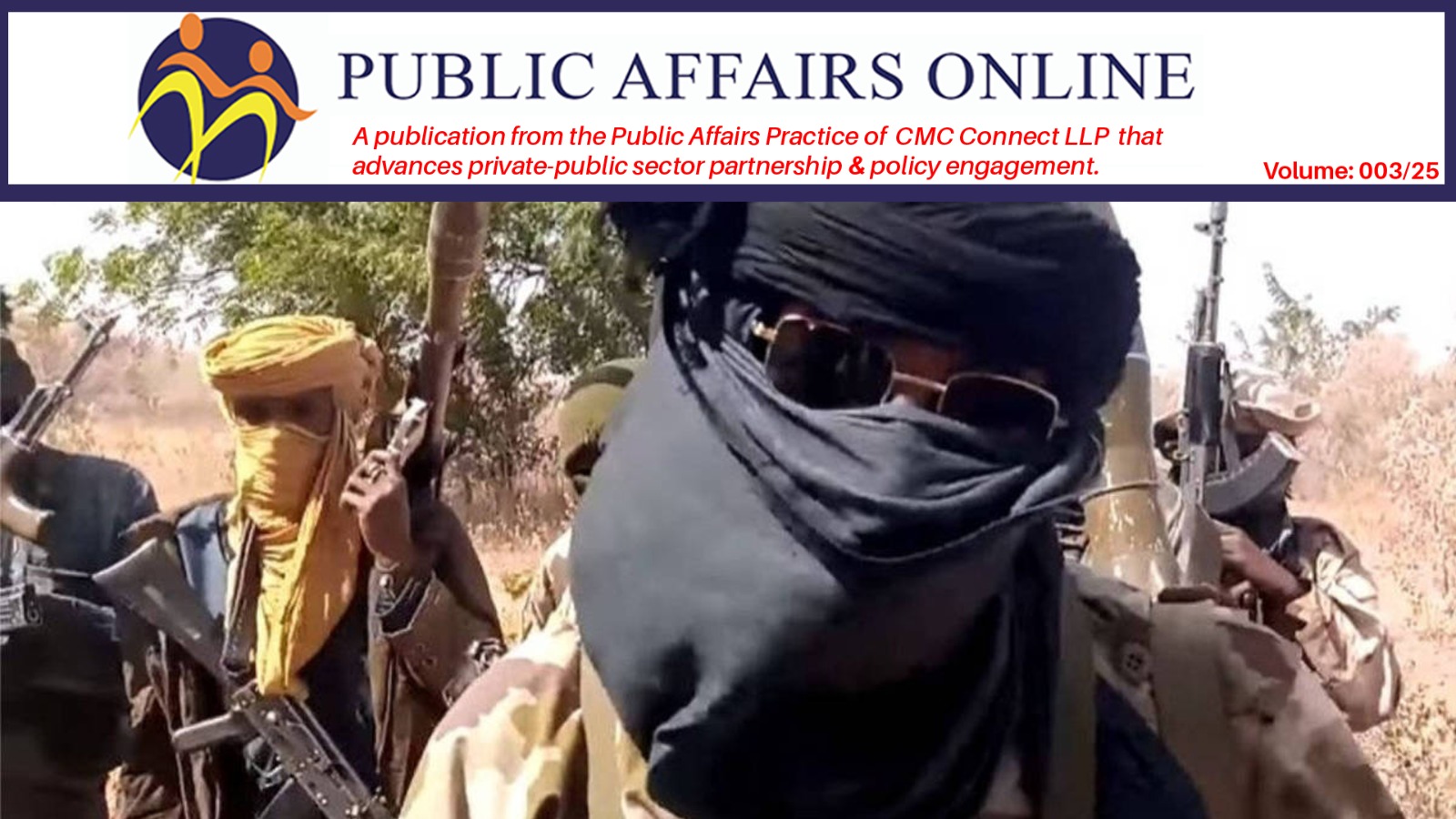
The Cost of Nigeria’s Kidnapping Epidemic on Basic Education
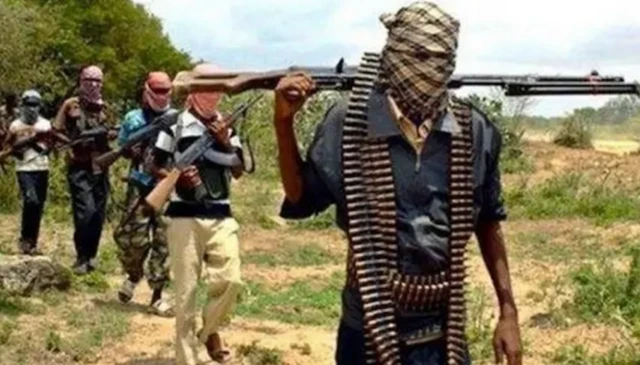 Nigeria’s insecurity crisis has long been measured in lives lost, communities displaced, property destroyed, financial ransom paid. Increasingly, however, another casualty is emerging: education.
School attacks continue to capture public attention, but the greater threat may lie in the disruption they create. Across several parts of the country, insecurity is making education less accessible, less reliable, and less effective for the children who need it most. What began as a security challenge is increasingly becoming an education crisis.
The evidence is difficult to ignore. Between 2014 and 2022, at least 70 attacks on schools resulted in the kidnapping of 1,683 learners, the deaths of about 180 children, and the abduction of 60 teachers and school workers. More recently, incidents in Kebbi, Niger and Oyo States have reinforced concerns that insecurity remains a persistent barrier to learning. In November 2025, 25 schoolgirls were abducted in Kebbi State, while a school in Niger State witnessed one of the largest school kidnappings in recent years, with 303 students and 12 staff members abducted. However, it was the May 2026 attack on three schools in Oyo State, during which 39 pupils, seven teachers and a school principal were abducted, that raised fresh concerns about the geographic spread of school-targeted violence beyond areas traditionally associated with such attacks.

Yet focusing solely on attacks risks obscuring a deeper problem. The true impact of insecurity extends far beyond the victims of individual incidents. In many communities, fear is altering how education is experienced. Parents are increasingly hesitant to send children to school, teachers are reluctant to accept postings to vulnerable areas, and learning is frequently interrupted by school closures, displacement, and instability.
This is where the conversation must shift. The question is no longer whether schools are being attacked. The more important question is what happens when education itself becomes unreliable.
Education depends on consistency. Children must be able to attend school regularly, teachers must be present in classrooms, and families must have confidence that learning can continue uninterrupted. Once those conditions begin to erode, the consequences extend well beyond examination results. Human capital development suffers, inequality widens, and communities become more vulnerable to cycles of poverty and instability.
Evidence from conflict-affected states illustrates this challenge. In Katsina State alone, insecurity reportedly forced the closure of 99 schools, affecting more than 30,000 learners. While such disruptions rarely attract the same attention as mass kidnappings, their long-term consequences may be even more damaging. A school that closes for months may not make national headlines, but the learning losses experienced by affected children will negatively shape life outcomes for years to come.
Beyond School Attacks: A Crisis of Educational Continuity
The impact of insecurity extends far beyond the kidnappings that make headlines. Its most lasting damage occurs through disrupted learning, weakened school attendance, and the gradual breakdown of educational continuity. When children miss school due to insecurity, learning gaps widen, academic performance declines, and some never return. Teachers also face increasing challenges working in affected communities, contributing to staffing shortages and reduced instructional quality.
The cumulative effect is an education system less able to provide consistent learning experiences. Academic calendars, examinations, curriculum delivery, and student progression all depend on stability, which insecurity undermines. In a country already burdened by a large out-of-school population, insecurity compounds poverty and inequality, increasing the risk of long-term exclusion from education.

Policy Commitments Versus Classroom Reality
Nigeria is not short of policies designed to protect children and schools. The Child Rights Act guarantees every child’s right to education and protection. The Universal Basic Education framework provides for free and compulsory basic education, while Nigeria is also a signatory to the Safe Schools Declaration and has adopted the National Policy on Safety, Security and Violence-Free Schools.
Taken together, these frameworks demonstrate a clear recognition that education must be protected, even in contexts of insecurity. The challenge, however, is not the absence of legal protections. It is the gap between policy commitments and lived reality.
To its credit, Nigeria has made important efforts to improve school safety through initiatives such as the Safe Schools Programme. However, the persistence of attacks, school closures, and educational disruption raises legitimate questions about implementation. In many affected communities, limited resources, weak infrastructure, and uneven awareness of school safety frameworks continue to undermine protection efforts.
Nigeria’s challenge is no longer identifying what needs to be done. It is ensuring that existing commitments translate into measurable improvements in the daily experiences of learners and educators.
The Cost of an Unreliable Education System
What makes educational insecurity particularly dangerous is that its consequences are often delayed. A school attack generates immediate outrage, but learning losses unfold quietly over months and years. By the time their effects become visible, whether in lower educational attainment, reduced workforce readiness, or widening inequality, the damage has already been done.
Education remains one of the most important drivers of social mobility and economic development. It shapes workforce productivity, strengthens civic participation, and expands opportunities for future generations. When learning is repeatedly disrupted, the effects are felt not only by individual students but by society as a whole.
The relationship between education and development is especially important in a country with a youthful and rapidly growing population. Every child denied consistent access to quality education represents lost potential. Every prolonged school closure weakens the country’s ability to build the skilled workforce required for future growth.
This is why educational insecurity should be understood not simply as an education challenge, but as a development challenge. Left unaddressed, it risks deepening inequality, weakening human capital development, and undermining long-term national aspirations.
Conclusion
The evidence is clear: schools in Nigeria are under attack. Beyond the immediate security concerns, persistent kidnappings expose the growing fragility of educational access, disrupting safety, stability, and learning continuity. Thousands of children face interrupted education and diminished opportunities, while the nation risks long-term developmental setbacks. Protecting education requires more than securing school premises; it demands guaranteeing every child the right to learn without fear. Until this is achieved, the goal of universal basic education will remain largely unattained.
References
- Save the Children International (2023). Nigeria: More Than 1,680 Schoolchildren Kidnapped Since the 2014 Chibok Girls Abduction. Available at: https://www.savethechildren.net/news/nigeria-more-1680-schoolchildren-kidnapped-nigeria-2014-chibok-girls-abduction.
- UNICEF Nigeria (2024). On the 10-Year Mark of the Chibok Abductions, UNICEF Urges Action to Secure Children’s Education in Nigeria. Available at: https://www.unicef.org/nigeria/press-releases/10-year-mark-chibok-abductions-unicef-urges-action-secure-childrens-education.
- UNICEF Nigeria & Oxford Policy Management (2025). The Impact of Insecurity on Access to Education in Katsina, Zamfara and Niger States. Available at: https://www.unicef.org/nigeria/reports/impact-insecurity-access-education-katsina-zamfara-and-niger-states.
- Federal Ministry of Education, Nigeria (2021). National Policy on Safety, Security and Violence-Free Schools (SSVFS). Abuja: Federal Ministry of Education.
- Federal Republic of Nigeria (2003). Child Rights Act, 2003. Abuja: Government Printer.
- Universal Basic Education Commission (UBEC). Universal Basic Education Programme Framework. Abuja: UBEC.
- Human Rights Watch (2024). Nigeria: 10 Years After Chibok, Schoolchildren Still at Risk. Available at: https://www.hrw.org/news/2024/04/11/nigeria-10-years-after-chibok-schoolchildren-still-risk.
- UNICEF Nigeria (2021). In Northern Nigeria, Attacks on Schools Threaten Children’s Right to Education. Available at: https://www.unicef.org/nigeria/stories/northern-nigeria-attacks-schools-threaten-childrens-right-education.
- The Guardian (2026). Gunshots at 9am. Then They Rounded Up the Children: How Chibok-Style School Abductions Are Spreading in Nigeria. Available at: https://www.theguardian.com/global-development/2026/jun/05/children-how-chibok-style-school-abductions-spreading-nigeria.
Anadolu Agency (2024). Armed Groups Kidnapped 1,680 Students in Violence-Hit Nigeria in Decade: UNICEF. Available at: https://www.aa.com.tr/en/africa/armed-groups-kidnapped-1-680-students-in-violence-hit-nigeria-in-decade-unicef/3192423