

Prioritising Emergency Response in Nigeria’s Health Reform
Nigeria’s healthcare conversation often focuses on hospitals, insurance coverage, and workforce shortages. Yet one of the country’s most critical health system weaknesses remains emergency response.
Across the country, accident victims are still transported in private vehicles because ambulances are unavailable or arrive too late. Pregnant women in distress struggle to access timely referrals, while many emergencies become fatalities not simply because treatment is unavailable, but because response systems fail before patients ever reach care.
This is why the proposed amendment increasing the Basic Health Care Provision Fund (BHCPF) from 1 percent to 2 percent of the Consolidated Revenue Fund (CRF) is significant. The bill, recently passed by the Senate and awaiting concurrence and presidential assent, is expected to strengthen primary healthcare delivery and expand access to essential services nationwide.
But beyond increasing healthcare financing, the amendment presents a larger policy opportunity: can Nigeria finally begin building a truly functional emergency response system?
Part of the answer may lie in strengthening the National Emergency Medical Service and Ambulance System (NEMSAS) alongside State Emergency Medical Services and Ambulance Systems (SEMSAS).
Notably, this already aligns with the Federal Ministry of Health and Social Welfare’s priorities for 2026. In the 2025 State of Health of the Nation Report, one of the government’s key policy recommendations under “Efficient, Equitable, and Quality Health System” is the expansion of ambulance fleets under NEMSAS and SEMSAS, particularly for hard to reach communities.
That recommendation deserves far greater policy attention.
Emergency response sits at the centre of almost every major health outcome, from maternal mortality and road traffic injuries to disease outbreaks, flooding, and insecurity related trauma. In many cases, survival depends less on the sophistication of treatment than on how quickly patients can access coordinated care.
Nigeria’s challenge is not the complete absence of policy direction. The structures already exist. The State of Health of the Nation Report highlights ongoing efforts around emergency transportation systems, referral networks, and rural transport initiatives such as RESMAT.
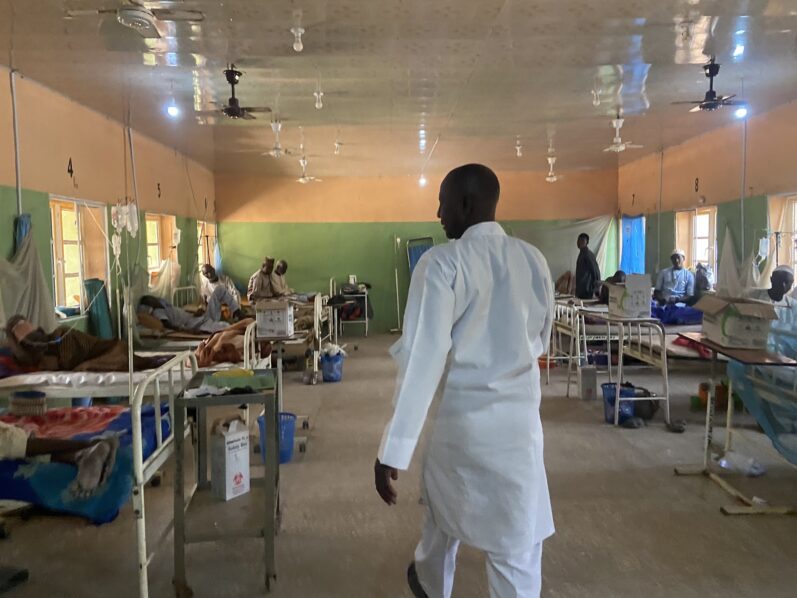
The problem is that these systems remain uneven, under-resourced, and inconsistent across states.In many parts of the country, ambulances are too few, poorly equipped, or simply unavailable when needed most. Some function only as transport vehicles, lacking lifesaving equipment and trained emergency personnel. In several rural communities, organised emergency response systems are almost non existent. And emergency response extends far beyond ambulances alone.
It requires trained paramedics, functioning dispatch systems, equipped trauma units, reliable referral pathways, emergency hotlines, and healthcare workers willing to remain within the system. Without these elements working together, emergency care remains fragmented.
Workforce shortages make the situation even more difficult. The 2025 State of Health of the Nation Report repeatedly identifies retention challenges, uneven personnel distribution, and shortages of skilled healthcare workers nationwide.
Emergency medicine is especially vulnerable because it depends heavily on rapid response personnel, yet Nigeria continues to lose trained professionals to migration, burnout, and poor working conditions.
This is where the proposed increase in BHCPF funding could become significant if deployed strategically.
Targeted investment could support ambulance expansion, paramedic training, emergency communication infrastructure, trauma stabilisation centres, equipment procurement, and emergency preparedness at both federal and state levels.
More importantly, the benefits would extend well beyond accident response alone.
A stronger emergency care system would improve maternal survival, strengthen diseases outbreak preparedness, reduce referral delays, support disaster response, and improve public confidence in the healthcare system itself.
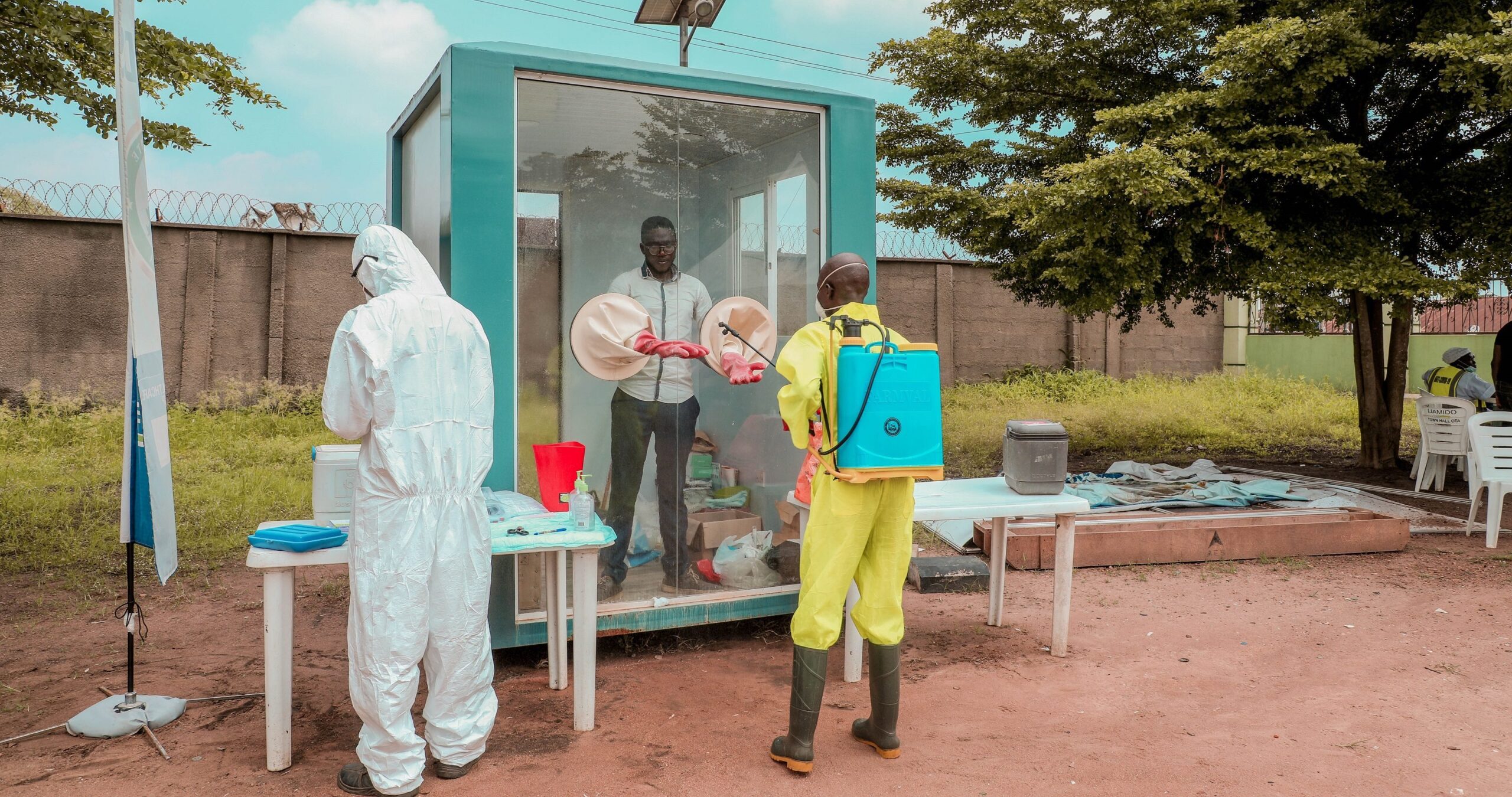
The COVID 19 pandemic exposed how dangerous weak emergency coordination systems can become during national crises. The government’s own 2025 health sector report now places growing emphasis on health security, emergency operations centres, disease surveillance, and coordinated preparedness systems.
Still, funding alone will not solve the problem. Nigeria’s healthcare sector has seen several reforms and interventions over the years, but keeping systems functional after rollout has often proved more difficult. Emergency response depends on things working consistently, ambulances that are available when needed, trained personnel, functioning equipment, and coordination between facilities and response teams. Without that consistency, increased funding may not produce the level of impact the reforms intend to achieve.
States must therefore be held accountable for operationalising SEMSAS structures effectively. Emergency units need proper staffing, ambulances must remain functional, and healthcare workers require better incentives, training, and working conditions.
Public education also matters. Many Nigerians still lack basic emergency response knowledge, including first aid and emergency reporting procedures. Partnerships involving schools, transport unions, civil society groups, and the private sector could help build a stronger emergency response culture nationwide.
Ultimately, the proposed increase of the BHCPF from 1 percent to 2 percent should not be viewed only as a financing reform. It is an opportunity to decide what Nigeria wants its healthcare system to prioritize.