

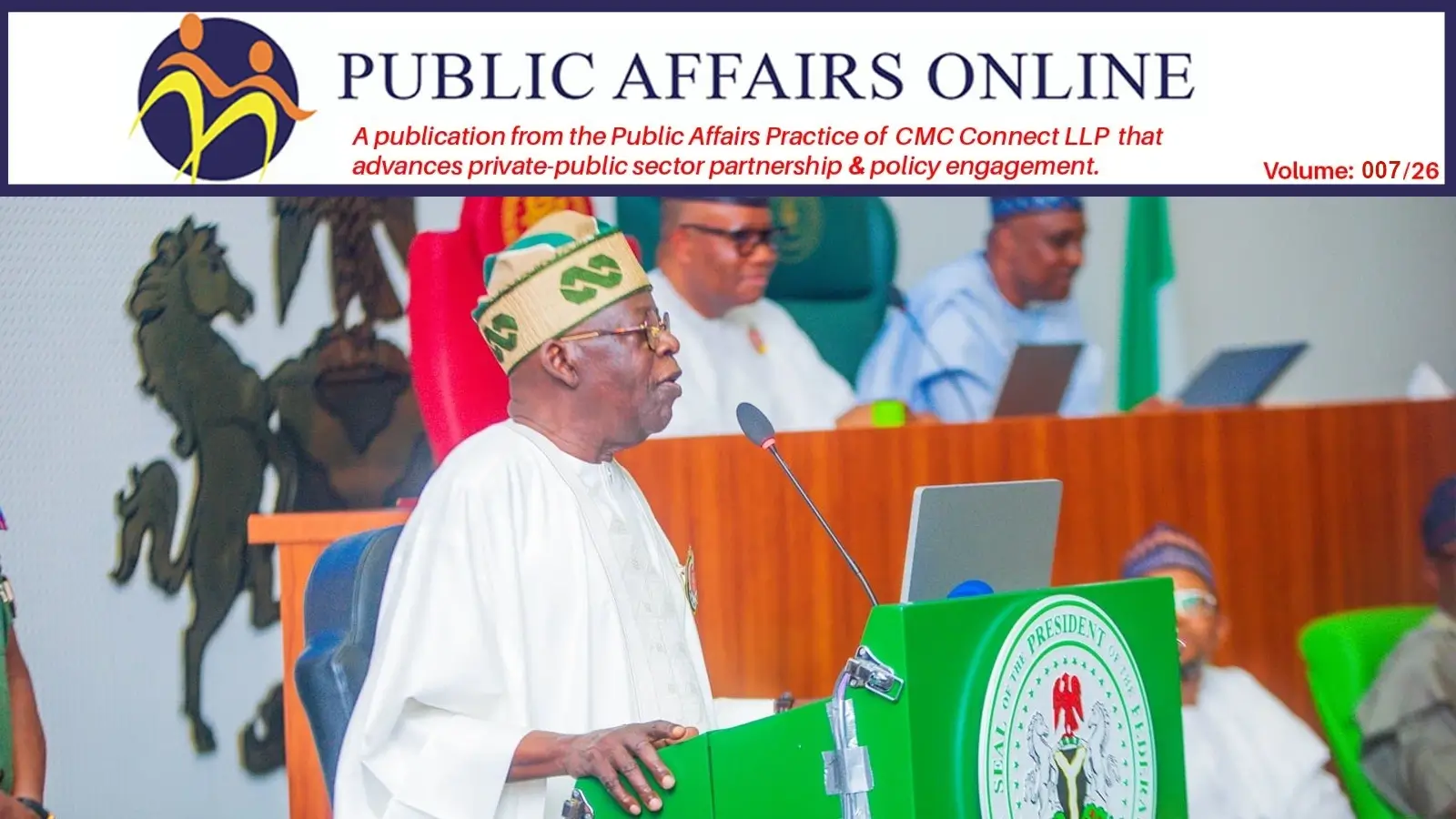
Is Nigeria’s Annual Budget a Mere Dummy?
Nigeria’s 2026 budget has now been approved, with total expenditure projected at about ₦68.32 trillion. On paper, that should provide fiscal direction and policy certainty for the year ahead. But increasingly, the issue is no longer whether Nigeria has a budget. The more pressing question is whether the budget still functions as a serious instrument for planning, discipline, and accountability.
Over the years, Nigeria’s budgets have continued to grow in size, yet implementation outcomes remain difficult to reconcile with the scale of public spending being announced. Roads remain abandoned, contractors complain of delayed payments, public hospitals continue to struggle with inadequate infrastructure, while insecurity persists despite repeated increases in security allocations.
This growing disconnect between appropriation and execution is raising a difficult but necessary question: has Nigeria’s annual budget gradually become more ceremonial than functional?
Part of the concern lies in how recent budgets are now structured. The 2026 budget is not only expected to finance new government priorities; it is also carrying unresolved obligations from previous fiscal cycles. Government planning documents indicated that as much as 70 percent of the 2025 capital budget would be rolled into the 2026 fiscal year, further blurring the line between annual appropriations and accumulated obligations from the past.
The implication is straightforward: every new budget now begins with inherited pressures before implementation even starts.
That concern is reinforced by implementation performance itself. As of the third quarter of 2025, reports indicated that only about ₦3.10 trillion, representing roughly 17.7 percent of the 2025 capital budget, had been released despite major infrastructure commitments across sectors. This raises legitimate concerns about government’s ability to translate ambitious appropriations into measurable outcomes within the fiscal year.

The structure of expenditure itself further weakens flexibility. Nigeria’s approved 2026 budget allocates about ₦15.8 trillion to debt servicing alone, consuming a significant share of projected revenue before major development spending even begins. At the same time, recurrent expenditure continues to place pressure on available fiscal space, leaving government with increasingly limited room to respond to emerging priorities.
This problem becomes even more troubling when viewed against Nigeria’s security realities. Successive governments have continued to increase security allocations amid rising insecurity, insurgency, and violent crime. Yet concerns persist over poor implementation, delayed releases, and inadequate operational outcomes.
Critics have repeatedly argued that if approved security allocations were fully implemented and efficiently managed, security agencies would be significantly better equipped to confront many of the threats facing the country today. Instead, reports continue to emerge of overstretched personnel, inadequate equipment, delayed procurement processes, and unpaid contractors supplying critical materials to government agencies.
Another issue further complicating fiscal credibility is the growing normalization of borrowing and supplementary spending outside the original budget framework. Even after annual budgets are passed, government frequently returns with requests for additional borrowing or supplementary appropriations to finance expenditures not adequately captured at the outset.
While emergency spending may sometimes be justified, the increasing frequency of supplementary budgets weakens the authority of the original appropriation process. It creates the impression that the budget is no longer the definitive framework guiding government expenditure, but merely one fiscal reference point among many.
That perception becomes even harder to ignore when major borrowing requests emerge shortly after budget approval. If significant spending and financing decisions continue outside the assumptions upon which the budget was originally built, then it becomes reasonable to question whether the budget itself still exercises meaningful control over fiscal policy.
This matters because budgets are not merely accounting documents. They are instruments of economic signaling, governance credibility, and public trust. Investors rely on them to assess policy direction. Contractors rely on them to make operational decisions. Citizens rely on them to evaluate government priorities and performance.
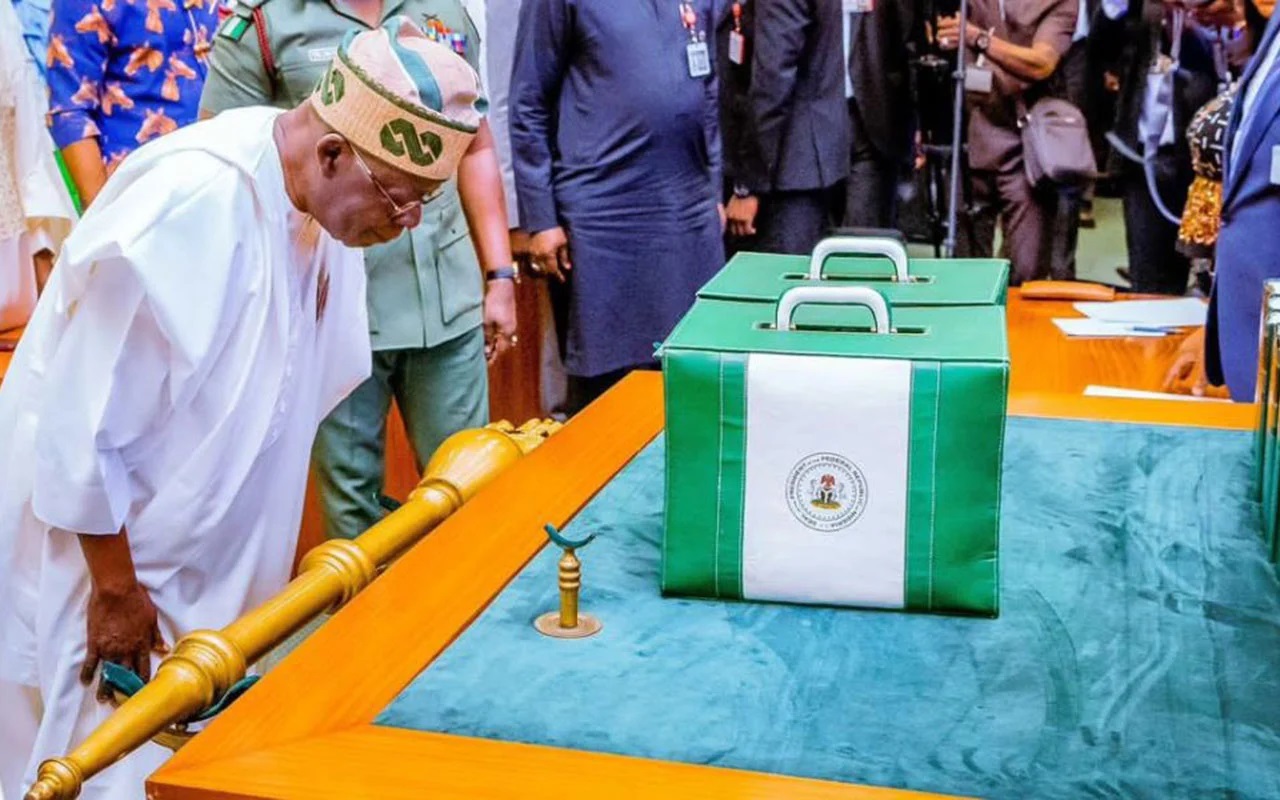 When implementation repeatedly falls short of appropriation, the credibility of those signals weakens.
Other democracies and emerging economies have attempted to reduce implementation gaps by strengthening fiscal oversight and public accountability around budget execution. In the United Kingdom, the Office for Budget Responsibility independently assesses government fiscal projections and monitors performance against fiscal targets, while parliamentary committees routinely scrutinize spending deviations and supplementary requests. In Canada, federal departments are required to publish regular expenditure and performance reports explaining variances between approved allocations and actual spending. Closer to home, South Africa’s fiscal framework places stronger emphasis on expenditure reporting, parliamentary oversight, and public transparency through its National Treasury and Public Finance Management Act structures. While none of these systems is entirely free from fiscal pressure or implementation challenges, they create stronger institutional scrutiny around budget execution and spending outside approved frameworks.
Nigeria’s challenge, therefore, is not simply about passing larger budgets or approving them earlier. The deeper challenge is whether the country is willing to strengthen the institutional discipline required to implement them effectively.
There is an increasing need for stronger mechanisms that compel budget implementation beyond annual political declarations. Greater transparency around project execution, debt utilization, procurement releases, and supplementary appropriations will become increasingly necessary. Legislative oversight must also extend beyond budget passage into consistent monitoring of implementation performance throughout the fiscal year.
The Nigerian budget should not become a ceremonial document announced with fanfare at the beginning of every year only to be quietly adjusted, deferred, or abandoned in practice.
A budget that cannot guide spending, restrain fiscal indiscipline, or guarantee implementation risks losing its relevance as a serious policy instrument. Until the gap between appropriation and execution is addressed, Nigeria’s annual budgets may continue to grow in size while delivering far less in reality.