

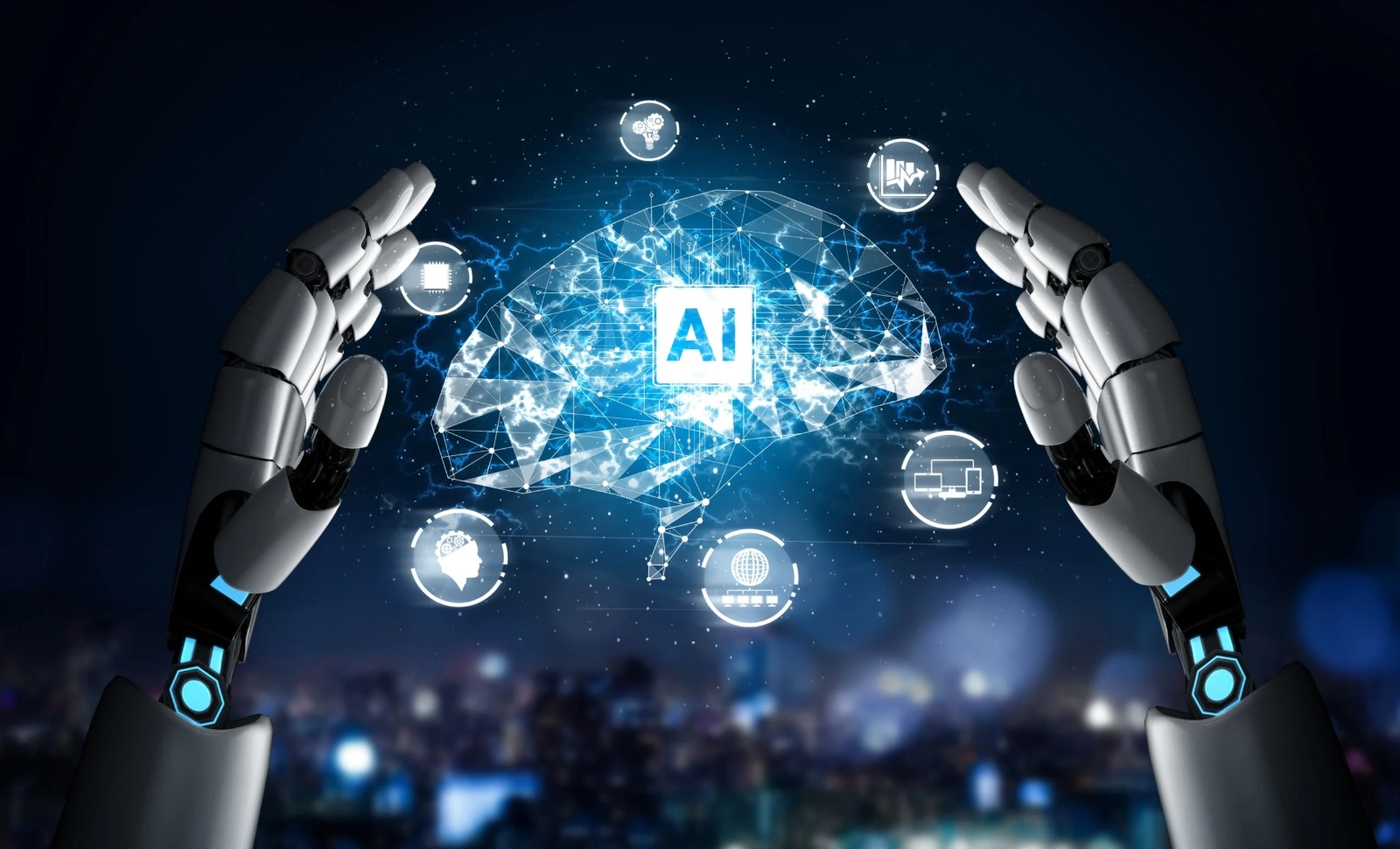
BUILDING AI-READY CRISIS TEAMS

The Strategic Integration of AI in Modern Crisis Management
By Olajumoke Akin-Dada
Artificial Intelligence (AI) has rapidly emerged as a cornerstone of contemporary organisational strategy. It is increasingly woven into the fabric of operations, strategic decision-making and multi-channel communication.
However, AI is not intended to supersede human professionals. Its true purpose is to bolster efficiency, enabling organisations to respond to shifting environments with unprecedented agility. In crisis management, this velocity is often the deciding factor in containing an issue before it escalates into a full-scale reputational threat.
Rapid Change in the Digital Age
In today’s fast-moving digital world, crises spread at an incredible speed. News is broadcast instantaneously via social media, public sentiment shifts in minutes, and misinformation can achieve global reach before an organisation has even drafted a response.
Consequently, crisis management teams require more than refined communication skills; they necessitate sophisticated tools to monitor information flows and scrutinise emerging issues in real-time.
This is where AI proves indispensable. AI-powered systems can track discourse across digital platforms, perform sentiment analysis on public debates, and identify the nascent warning signs of a developing crisis.
The Fallacy of Technological Autonomy
Nevertheless, the mere possession of AI tools does not render an organisation “crisis-ready.” A common fallacy is the belief that adopting technology is a panacea for complex organisational challenges. In practice, technology devoid of strategic human oversight often results in flawed decision-making.
AI systems remain fundamentally dependent upon the quality of the data they process and the specific parameters of the instructions they receive. If data is incomplete, biased, or misinterpreted, the resulting insights will be similarly compromised. Therefore, organisations must regard AI strictly as a support mechanism rather than an autonomous decision-maker.
 Building an AI-Ready Crisis Team
Developing an AI-ready crisis team requires more than technical infrastructure; it demands a sophisticated communications function capable of integrating AI into established decision-making frameworks.
Teams must possess robust analytical capabilities, keen critical thinking, and the ability to interpret AI-generated insights within the broader context of the organisation’s reputation and stakeholder expectations. Essentially, the team must translate raw technological intelligence into responsible strategic action.
This necessitates a dual proficiency in both communication and technology. Professionals must attain a level of technological fluency that allows them to comprehend the mechanics of AI tools, acknowledge their inherent limitations, and critically evaluate their outputs.
This does not require communicators to become software engineers. Rather, it involves mastering the art of the “prompt,” verifying machine outputs, and synthesising those insights with professional judgment and lived experience.
Case Study: The Risk of Over-Reliance
The danger of removing the “human touch” is best illustrated by the case of popular Nigerian singer Simi, who faced significant backlash over a resurfaced controversial tweet. Her response was widely criticised as unorganised and flawed; rather than resolving the issue, it escalated the situation.
Many observers felt the statement was a cold, AI-generated response that lacked genuine accountability. This highlights the risk of over-relying on AI tools: without human intervention to provide emotional nuance, a response can appear robotic and insincere, causing more harm than good during a sensitive period.

Ethics, Protocols, and Human Wisdom
Building an AI-ready team requires the establishment of rigorous protocols. Organisations should implement clear guidelines outlining when AI tools are deployed, which datasets are scrutinised, and the verification processes required before insights inform a final decision. In the absence of such protocols, teams risk a state of over-reliance, leading to paralysis or erratic responses under high-pressure conditions.
Blind trust in technology creates fragile systems. AI cannot authentically replicate empathy, transparency, and accountability. A message generated solely by an algorithm may fail to strike the appropriate tone required to reassure stakeholders. The strength of a modern crisis team lies in the delicate balance between human expertise and technological prowess. AI provides the speed and pattern recognition, but the human professional provides the interpretation.
 The Crisis Team of the Future
As AI continues to evolve, communication professionals must remain abreast of emerging tools and novel risks. Regular simulations and crisis drills, utilising AI tools, allow organisations to test these systems under pressure and identify gaps in their frameworks before a genuine crisis occurs.
In an era where public perception can shift irrevocably within minutes, traditional crisis management methods are no longer sufficient. Integrating AI into response strategies offers a definitive competitive edge, but only when guided by capable leaders.
The most resilient crisis teams of the future will be those that successfully marry human wisdom with intelligent tools, creating a system that is both technologically advanced and strategically grounded.