

Inflation, Informality, and the Erosion of Tax Thresholds
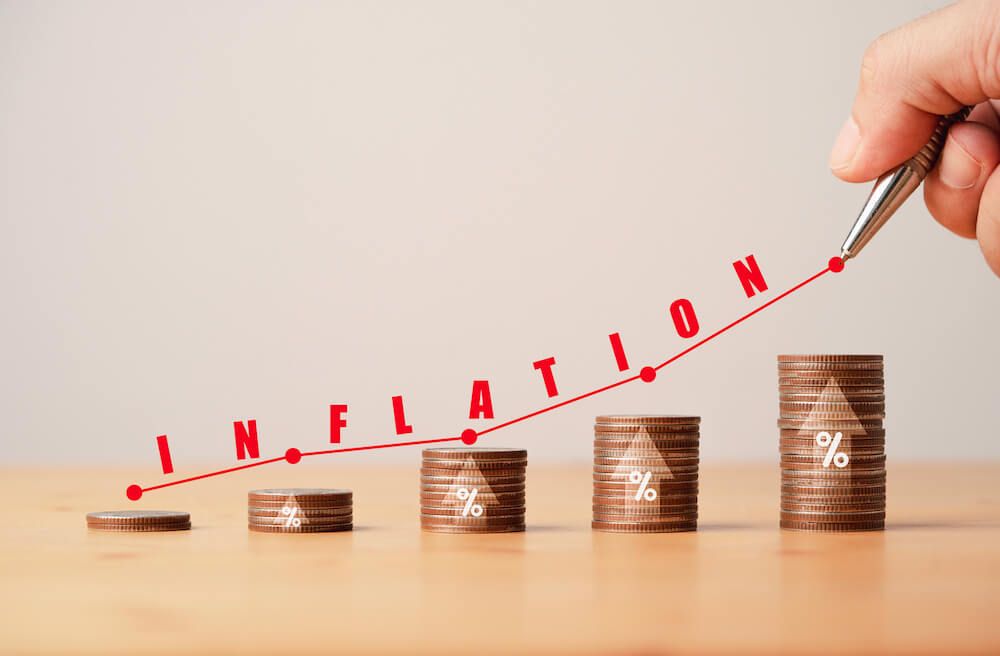
Even within a progressive tax framework, policy effectiveness depends on how thresholds perform in real economic conditions. Inflation has become a central stress test for Nigeria’s tax system, exposing gaps between nominal design and lived experience.
Inflation does not affect all income groups equally. For low- and lower-middle-income households, a larger share of earnings is spent on essentials such as food, transportation, and energy. As prices rise, these households experience an immediate and disproportionate squeeze on disposable income. In this context, static tax thresholds lose relevance more quickly.
 When exemption bands and tax brackets are not adjusted regularly, inflation creates what economists often describe as “bracket creep”. Individuals may cross nominal income thresholds without experiencing any real improvement in living standards. Over time, this dynamic can pull households closer to tax liability even as their purchasing power declines.
This pressure intersects directly with informality. Nigeria’s informal economy absorbs millions of workers precisely because it offers flexibility and immediate survival options, even if it lacks security. When formal employment becomes associated with rising deductions and declining real wages, incentives to remain outside the tax net strengthen.
The result is a feedback loop. Inflation erodes real incomes, tax thresholds lag behind economic reality, formal participation becomes less attractive, and the tax base remains narrow. Revenue targets then rely more heavily on compliant taxpayers and indirect taxes, reinforcing perceptions of imbalance.
From a policy perspective, this is not merely a technical issue. Threshold adjustment is a signal. It communicates whether the tax system recognizes changing economic conditions or treats them as external to fiscal design. Countries that manage inflationary periods effectively often combine progressive structures with periodic recalibration, ensuring that tax liability reflects real capacity rather than nominal figures.
Nigeria’s challenge is therefore not the absence of progressivity, but the maintenance of its effectiveness under economic stress. A system that is progressive on paper can still produce regressive outcomes if inflation steadily undermines its parameters.
Addressing this requires more than enforcement. It calls for policy coherence across fiscal, monetary, and social protection domains. It also requires transparency, so taxpayers understand how thresholds are set, reviewed, and justified.
As tax reform discussions continue, inflation and informality should not be treated as side issues. They are central to whether reform achieves its stated goals of fairness, sustainability, and broader participation.