

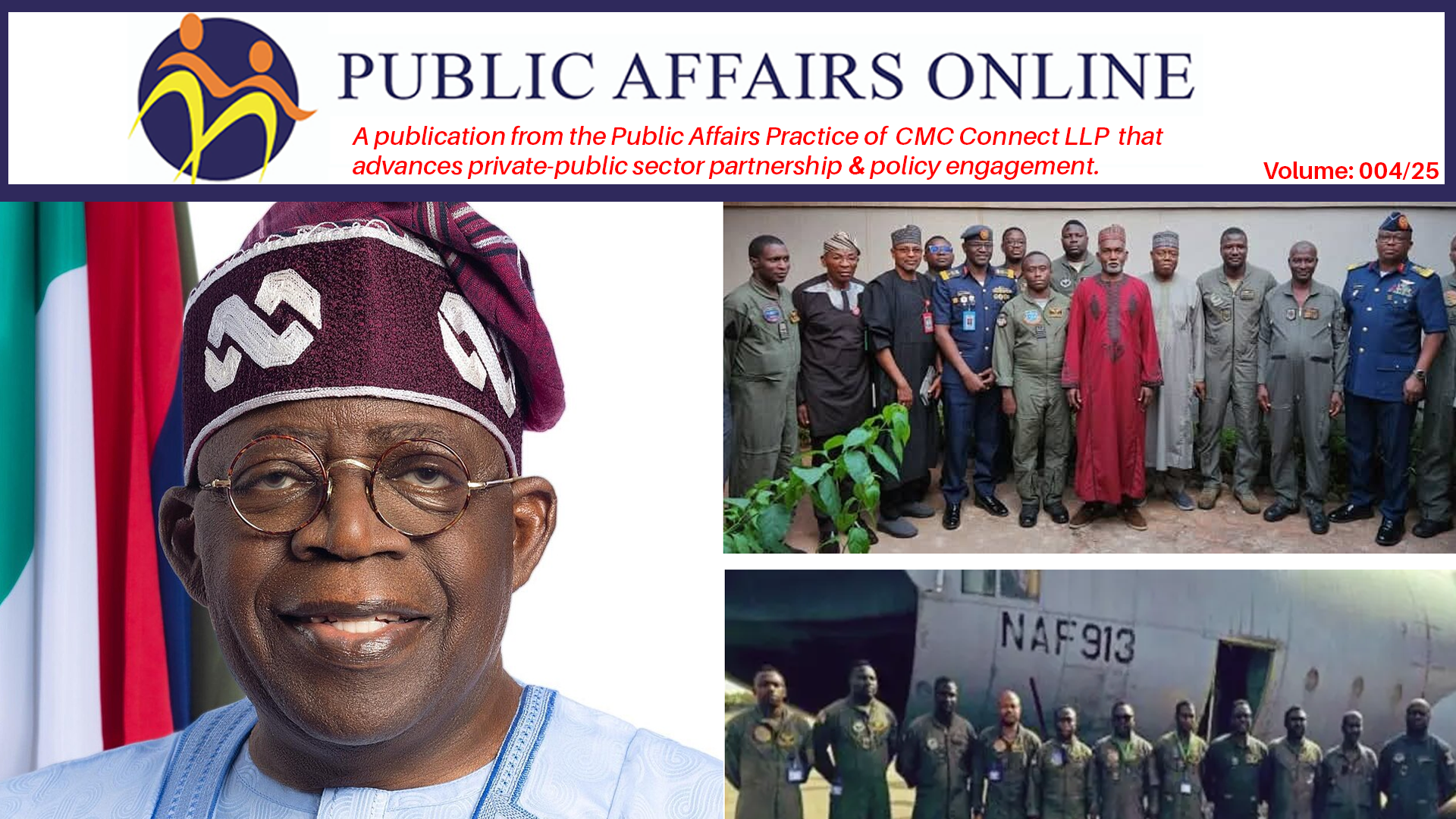
Public Affairs Online:Nigeria’s Foreign Policy at a Crossroads: Tinubu, Benin’s Foiled Coup and the Limits of Afrocentric Idealism
Nigeria’s foreign policy has once again been thrust into national and regional focus following two closely linked developments: President Bola Ahmed Tinubu’s swift military intervention to halt an attempted coup in Benin Republic, and the subsequent detention of Nigerian Air Force personnel and aircraft in Burkina Faso. Together, these incidents raise fundamental questions about the philosophical foundations, constitutional mandate, and strategic direction of Nigeria’s foreign policy under the Tinubu administration.

Section 19 of the 1999 Constitution of the Federal Republic of Nigeria (as amended) provides the clearest articulation of Nigeria’s foreign-policy objectives. It commits the state to the promotion of African unity, political and economic integration, international cooperation, respect for international law and treaty obligations, and the peaceful settlement of disputes. For decades, successive governments have interpreted this provision through an Afrocentric lens, positioning Nigeria as both stabiliser and moral compass of the African continent.
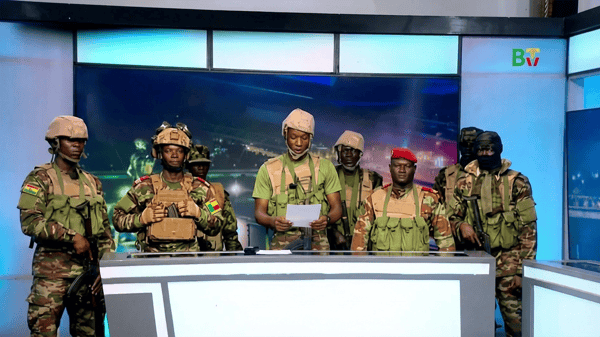
President Tinubu’s response to the crisis in Benin Republic sits squarely within this constitutional tradition. In the early hours of Sunday, December 7, 2025, gunfire rang out across parts of Cotonou as mutineers announcing themselves as the “Military Committee for Refoundation” seized the national broadcaster and declared the dissolution of democratic institutions. Within hours, President Patrice Talon formally reached out to Abuja, requesting urgent military assistance to secure Benin’s airspace and restore constitutional order.
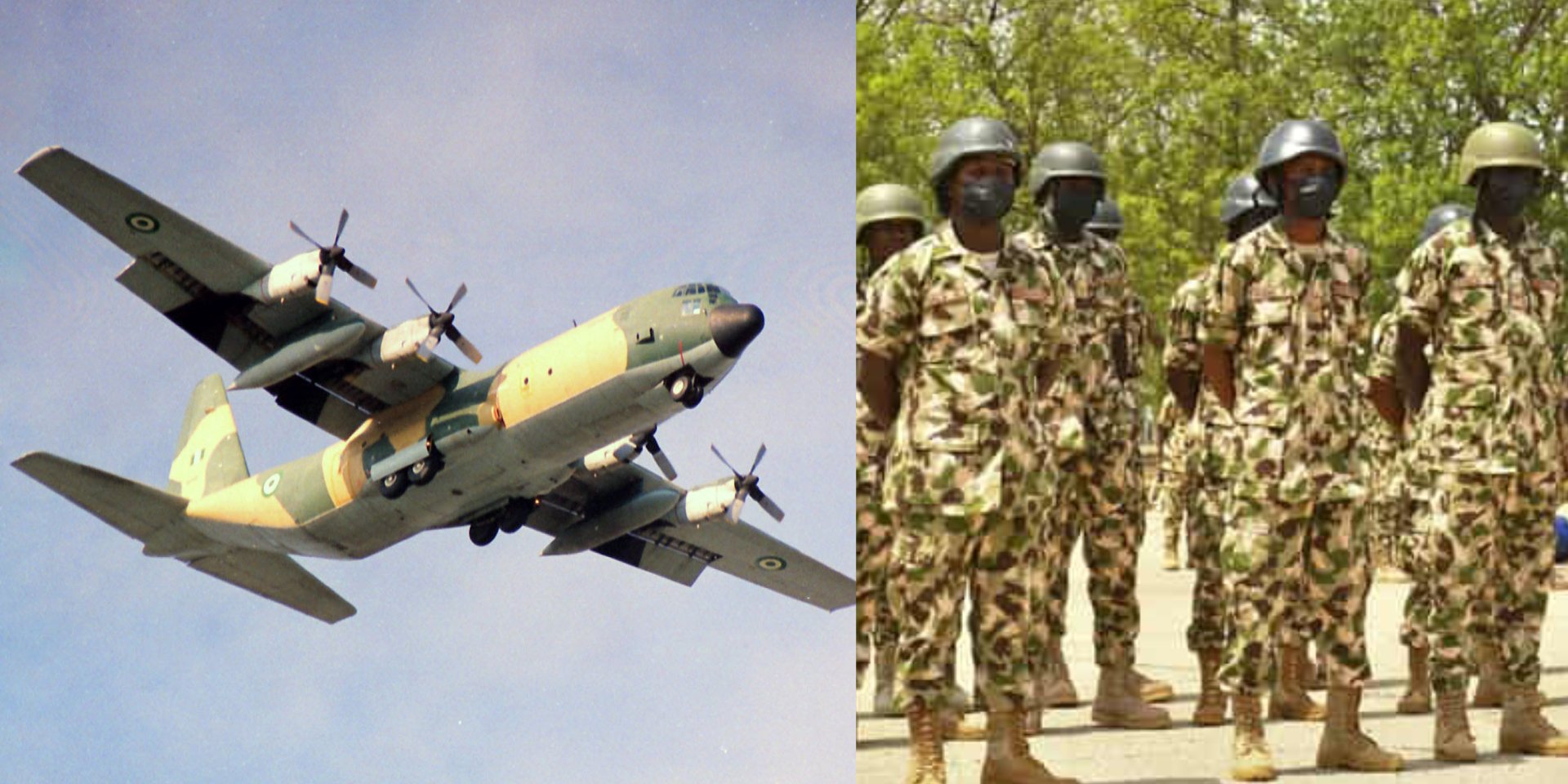
Nigeria responded with remarkable speed. Acting on Tinubu’s directive, the Nigerian Air Force assumed control of Benin’s airspace while ground troops were mobilised from formations in Lagos and Ogun States. The show of force dislodged the coup plotters from strategic installations and effectively collapsed the insurrection. In doing so, Nigeria prevented what would have been the eighth successful military coup in West Africa in just five years.
From a constitutional standpoint, the intervention aligned with Nigeria’s obligation to promote regional peace and democratic governance. Strategically, it reflected a clear understanding that instability in neighbouring states inevitably spills across Nigeria’s porous borders, aggravating insecurity, refugee flows and economic disruption. In this sense, the Benin operation was not merely altruistic; it was also an act of enlightened self-interest.
Yet diplomacy is not conducted in a vacuum of goodwill. Notably absent from President Talon’s nationwide broadcast announcing the failure of the coup was any explicit acknowledgement of Nigeria’s decisive role. ECOWAS, for its part, claimed credit through references to a “standby force”, even though the immediate response was overwhelmingly Nigerian in personnel, logistics and command. This familiar pattern of under-recognition has reignited domestic debates about the costs and benefits of Nigeria’s long-standing “big brother” posture in Africa.

Those concerns were amplified days later by events in Burkina Faso. A Nigerian Air Force C-130 aircraft, en route to Europe, made an emergency landing due to a technical fault. Despite explanations grounded in international aviation protocols, the aircraft was detained and its crew held by authorities aligned with the Alliance of Sahel States (AES), comprising Burkina Faso, Mali and Niger. The AES went further, describing the incident as an “unfriendly act” and threatening to neutralise any aircraft allegedly violating its airspace.
The symbolism was striking. Nigeria, having just expended military and diplomatic capital to defend constitutional order in Benin, found itself treated with open hostility by regimes that had themselves benefited, at different times, from Nigeria’s peacekeeping and diplomatic support. This contradiction exposes the core tension in Nigeria’s foreign policy: the persistent gap between constitutional idealism and strategic realism.
Nigeria’s traditional foreign-policy pillars—Afrocentrism, non-alignment, economic diplomacy, regional security and multilateral engagement—remain sound in principle. However, their application has often been driven more by moral obligation than by clearly defined national interest. While Section 19 encourages African solidarity, it does not mandate altruism without reciprocity.


The Tinubu administration’s articulated “4Ds” foreign-policy framework—Democracy, Development, Demography and Diaspora—offers an opportunity to recalibrate this balance. The Benin intervention fits neatly under the Democracy pillar, reinforcing Nigeria’s zero-tolerance stance on unconstitutional changes of government. But the Burkina Faso episode underscores the urgent need to integrate Development and national security considerations more assertively into Nigeria’s diplomatic engagements.
Foreign policy, at its core, is an instrument for advancing national interest. Major powers understand this instinctively. The United States’ “America First” doctrine may be blunt, but it reflects a universal truth of international relations: states act primarily to protect their people, security and prosperity.
Nigeria must internalise this logic without abandoning its constitutional commitments. Future interventions—military, diplomatic or economic—should be accompanied by clearly negotiated strategic returns: security cooperation, economic access, diplomatic support, or binding regional guarantees. Assistance offered during moments of existential crisis, such as attempted coups, constitutes leverage. Failing to use that leverage does not make Nigeria noble; it makes it vulnerable.
President Tinubu’s actions in Benin demonstrate resolve, capacity and leadership. The challenge ahead is ensuring that such leadership translates into measurable benefits for Nigeria and its citizens. A foreign policy rooted in constitutional ideals but guided by hard-headed national interest is not a betrayal of Africa; it is the only sustainable way for Nigeria to continue leading it.
This analysis is written and published by the Public Affairs Practice of CMC Connect LLP
- Email: publicaffairs@cmcconnect.com
- Editor in Chief – Yomi Badejo-Okusanya
- Editor – Adetola Odusote
- Writer/Lead Analysts – Henrietta Nsa, Sylvester Ugwuanyi
- Graphics– CMC Connect LLP Creative Team: James Ibukun, Ayomide Omole